



- label News
- favorite 0 likes
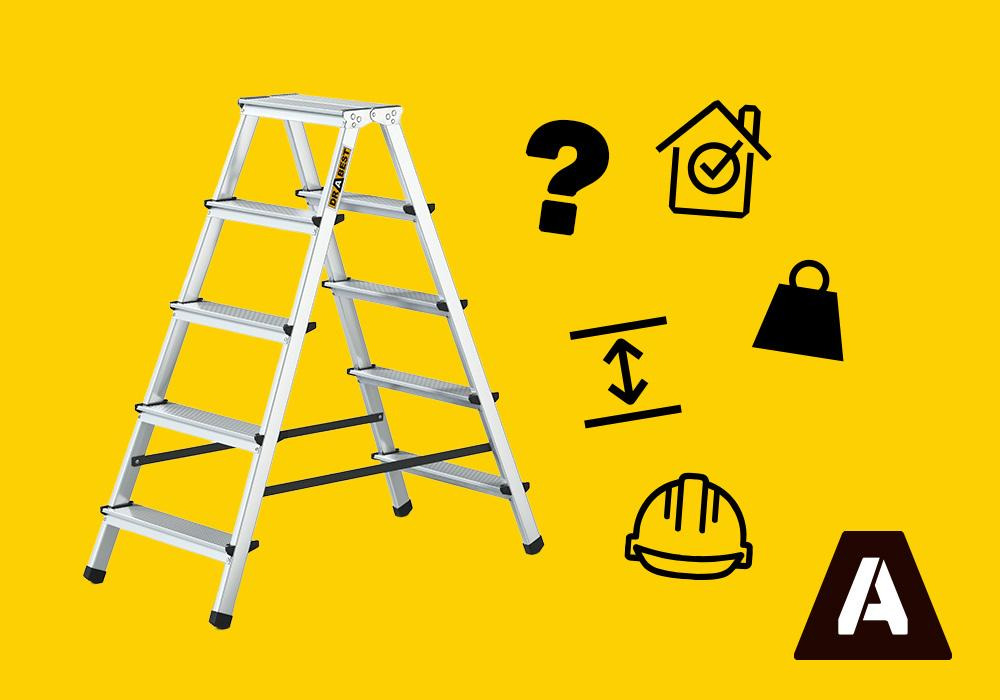
In this comprehensive buying guide, we draw on years of manufacturing expertise at Drabest to break down everything you need to know about step ladders in 2026—helping you find the perfect model for your exact needs while adhering to full UK safety regulations.
What is a stepladder?
A step ladder is a self-supporting portable ladder that features flat treads and a hinged design, allowing it to stand independently without leaning against a wall or vertical support. This makes step ladders essential tools for tasks in open spaces, such as central ceiling installations, garden maintenance, or decorating.
Step ladder vs. extension ladder vs. step stool — key differences
- Step Stool: Typically features 1 to 3 treads with a lower height (under 1 metre working height). Designed for quick, low-level household access such as reaching top kitchen shelves.
- Step Ladder: Offers 2 to 10+ treads, providing self-supporting working heights up to 4 metres or higher. Ideal for indoor and outdoor maintenance, trade work, and decorating.
- Extension Ladder: Requires a solid wall or structure to lean against. Best suited for high exterior tasks like gutter cleaning or roof repairs.
Anatomy of a step ladder
- Treads: The flat, horizontal steps you stand on. UK safety standards require non-slip surface profiling.
- Stiles: The heavy-duty side rails that support the treads and overall structural load.
- Platform: The top flat surface on platform models designed for stable standing during extended work.
- Handrail / Guardrail: The raised upper frame offering a secure knee or hand balance point.
- Spreader Bars: Hinged metal bars locking the front and rear sections rigidly in position.
- Anti-Slip Feet: High-grip rubber or plastic boots mounted at the base to prevent slipping and protect flooring.
How many treads do you need? (Height selection guide)
Understanding ladder dimensions requires knowing three critical figures:
- Tread Count: Total number of steps, including the top platform (if applicable).
- Platform Height: The distance from the floor to the top platform or highest recommended standing level.
- Working Height: The average height a user can comfortably reach while standing safely on the ladder (calculated as platform height + approx. 2.0 metres).
Tread count to working height comparison table
| Treads | Platform Height | Platform Height (in) | Working Height | Best Used For | Recommended Model |
|---|---|---|---|---|---|
| 2 Treads | 0.45 m | 17.72 in | 2.45 m | Kitchen cabinets, low shelving, light cleaning | Drabest HOME 2-step |
| 3 Treads | 0.54 m | 21.26 in | 2.54 m | Light DIY, reaching tall wardrobes, curtain fitting | Drabest HOME 3-step |
| 4 Treads | 0.75 m | 29.53 in | 2.75 m | General indoor DIY, ceiling light changes, painting | Drabest HOME 4-step |
| 5 Treads | 0.97 m | 38.19 in | 2.97 m | Most Versatile Choice (Standard 2.4 m UK ceilings) | Drabest HOME / PRO 5-step |
| 6 Treads | 1.19 m | 46.85 in | 3.19 m | High ceilings, staircase walls, decorating | Drabest PRO 6-step |
| 7 Treads | 1.40 m | 55.12 in | 3.40 m | High-level domestic, commercial cleaning, exterior walls | Drabest PRO 7-step |
| 8 Treads | 1.62 m | 63.78 in | 3.62 m | Trade maintenance, shopfitting, high-ceiling work | Drabest PRO 8-step |
| 10+ Treads | 2.10 m+ | 82.68 in | 4.10 m+ | Industrial access, warehouses, facilities management | Drabest PRO 10-step |
Note: A 5-tread step ladder provides a platform height of approximately 0.97 m and a working height of around 2.97 m—making it the single most versatile choice for average UK homes with standard 2.4 m ceiling heights.
2–3 Treads — Household Tasks and Light DIY
Compact and easy to store in a narrow closet or pantry. Ideal for daily home chores like reaching overhead cupboards or hanging picture frames.
4–5 Treads — The All-Rounder for Most Homes
Covers 90% of domestic requirement. Gives comfortable reach across standard ceilings without requiring excessive storage space.
6–8 Treads — Decorating, High Ceilings, and Exterior Work
Designed for period properties, high ceilings, stairwells, and outdoor garden maintenance like trimming tall hedges.
10+ Treads — Trade and Professional Use
Heavy-duty ladder solutions constructed for industrial environments, high-ceiling commercial spaces, and multi-story maintenance work.
Types of Step Ladders
Choosing the correct functional style ensures safety and productivity:
Platform Step Ladder — Stability for Longer Tasks
Features a spacious, flat top platform that locks into position. Provides maximum standing stability and reduces foot fatigue when painting or working at height for prolonged periods.
Swingback Step Ladder — Ideal for Tight Spaces and Trade Use
Designed without a platform; the rear legs swing back flat against the front section. Popular among trade professionals for tight spaces and easy transport.
Folding Step Ladder — Compact Storage
Engineered to fold completely flat down to a slim profile (often under 10 cm deep), allowing convenient storage behind doors or inside vehicle boots.
Telescopic Step Ladder — Adjustable Height, Minimal Storage
Extends rung-by-rung to the exact height needed and collapses into a small unit for seamless transportation in compact vans or cars.
Double-Sided Step Ladder — Dual-Sided Working Access
Fitted with slip-resistant treads on both sides, allowing work from either direction without repositioning the frame, and accommodating dual use where safety ratings permit.
Combination Ladder — Step Ladder + Extension in One
Multi-functional ladder system that transforms between a freestanding step ladder, extension ladder, and stairwell ladder.
Which Step Ladder for Which Job?
| Task / Application | Recommended Type | Min. Treads | Key Essential Feature |
|---|---|---|---|
| Kitchen & Household | Folding Step / Step Stool | 2–3 Treads | Lightweight, slim storage profile |
| Painting & Decorating | Platform Step Ladder | 4–6 Treads | Wide non-slip platform, integrated tool tray |
| Garden & Outdoor Work | Heavy-Duty Aluminium / Swingback | 4–6 Treads | Weather resistance, broad rubber feet stability |
| Electrical Maintenance | Fibreglass (GRP) Step Ladder | 3–6 Treads | 100% Non-conductive stiles |
| Trade & Commercial Sites | BS EN 131 Professional Heavy Duty | 5–10 Treads | 150 kg load rating, rigid spreader bars |
| Senior Users / Extra Accessibility | Platform Step with Guardrail | 2–3 Treads | Deep treads, high handrails, ultra-wide base |
Materials Comparison: Aluminium vs. Fibreglass vs. Steel
| Feature / Spec | Aluminium | Fibreglass (GRP) | Steel |
|---|---|---|---|
| Weight | Lightweight (3–8 kg) | Medium / Heavy (5–12 kg) | Heavy (6–14 kg) |
| Electrical Safety | Conducts electricity | Non-conductive | Conducts electricity |
| Corrosion Resistance | Excellent (rustproof) | Excellent (weatherproof) | Can rust if coating scratches |
| Best Application | General domestic & trade DIY | Electrical work, utilities, heavy trade | Budget indoor household use |
| Price Point | ££ (Best value) | £££ (Premium specialist) | £ (Budget friendly) |
Fibreglass step ladders are the only safe option for electrical work because they do not conduct electricity—aluminium and steel ladders should never be used near live wiring or electrical installations. Explore our certified Fibreglass step ladders range for trade electrical compliance.
Step Ladder Safety: Standards & Regulations
BS EN 131 — The European Safety Standard Explained
BS EN 131 is the single harmonised European safety standard for portable ladders. In the UK, ladders sold for trade or domestic use fall into two clear BS EN 131 classifications:
| Specification | BS EN 131 Non-Professional (Domestic) | BS EN 131 Professional (Trade) |
|---|---|---|
| Maximum Duty Load | 150 kg | 150 kg |
| Strength / Durability Testing | 20,000 continuous test cycles | 50,000 continuous test cycles |
| Minimum Tread Width | Standard (80 mm) | Reinforced wide treads (≥80 mm+) |
| Target Use | Home DIY & domestic maintenance | Commercial sites, trade, industrial use |
In the UK, any step ladder intended for trade use must meet BS EN 131 Professional standards, which mandate a minimum duty load rating of 150 kg.
Work at Height Regulations 2005 (UK)
Under UK law, employers and contractors must ensure all equipment used for working at height is properly inspected, maintained, and appropriate for the task. Using BS EN 131 Professional certified stepladders supports full compliance with Health and Safety Executive (HSE) guidelines.
Pre-Use Safety Checklist
- Inspect rubber feet for wear, cracks, or missing pads.
- Verify that spreader bars lock fully into position.
- Ensure treads are clean of oil, grease, or wet mud.
- Check stiles for bends, cracks, or dents.
- Always maintain 3 points of contact (two feet and one hand, or two feet and body support against guardrail).
Essential Features to Consider Before Buying
- Anti-Slip Treads and Rubber Feet: Deeply grooved tread surfaces and rubberised foot caps provide optimal friction on slippery laminate, tile, or wet ground.
- High Guardrail: Provides crucial knee and waist-support balance points when standing on upper treads.
- Integrated Tool Tray & Bucket Hook: Keeps paint tins, screws, and power drills within arm's reach, reducing unnecessary trips up and down. Browse our range of ladder accessories for add-ons.
- Rigid Locking Mechanism: Ensures side spreader bars stay firm, eliminating wobble during use.
Buying Checklist — 7 Questions Before You Buy
- What is the maximum height I need to reach? (Calculate: Working Height = Platform Height + 2.0 m).
- Will I use the ladder indoors, outdoors, or both?
- How frequently will it be used? (Infrequent home use vs daily trade duty).
- Do I need electrical insulation? (If yes, choose Fibreglass GRP only).
- How much storage space do I have? (Check folded dimensions against cupboard / vehicle specs).
- What is my total weight requirement? (Include user weight plus heavy tools/materials).
- Does the ladder strictly meet BS EN 131 safety standards?
Frequently Asked Questions (FAQ)
Which step ladder is best for home use?
A 4-tread or 5-tread aluminium step ladder with an integrated platform and handrail is the most versatile choice for standard UK homes. It reaches working heights between 2.90 m and 3.15 m, perfectly reaching 2.4 m ceilings, top shelving, and light decorating projects.
What is the best step ladder to buy?
The best step ladder depends on your specific application. For general home DIY, choose a 5-step aluminium platform ladder. For electrical work, select a certified fibreglass ladder. For commercial sites, choose a BS EN 131 Professional rated heavy-duty model.
How many treads do I need on a step ladder?
Measure the highest point you need to reach, subtract 2.0 metres (average user reach height), and match the resulting platform height against our tread table.
What is the safest step ladder?
The safest step ladder is one certified to BS EN 131 standards, equipped with slip-resistant treads, non-marking rubber feet, locking spreader bars, and a high waist guardrail with a 150 kg maximum total load.
What is the difference between BS EN 131 Domestic and Professional?
BS EN 131 Professional ladders undergo 50,000 durability test cycles and support 150 kg heavy-duty loads for site use. Domestic ladders undergo 20,000 test cycles and support up to 150 kg for home DIY.
Aluminium or Fibreglass step ladder — which is better?
Aluminium is lighter, highly rust-resistant, and ideal for standard DIY and general trade. Fibreglass is non-conductive, making it mandatory for electrical installations, though slightly heavier.
What is a swingback step ladder?
A swingback step ladder features rear legs that fold back, allowing it to be used freestanding or positioned close to walls where platform frames might get in the way.
Summary — Finding Your perfect step ladder
Selecting the right step ladder boils down to matching your reach requirements, task safety demands, and material preferences. For standard household needs, an all-rounder like a 5-tread platform ladder offers maximum flexibility. For electrical safety, non-conductive fibreglass is essential, while site work demands the 150 kg rating of BS EN 131 Professional models.
Explore our full range of certified ladder solutions directly at Drabest UK Aluminium Step Ladders or check out specialised solutions like our compact Hop-up platforms today.